
February 7-11, 2026
Thomas Michael Menino Convention & Exhibition Center (MCEC)
Boston, MA, USA
February 7-11, 2026
Thomas Michael Menino Convention & Exhibition Center (MCEC)
Boston, MA, USA
This course is a brief introduction to and summary of the topic of biologics as drug therapy. It centers on the things that biologics can do (that small drug molecules also do) but more importantly what some biologics can do that small molecule drugs cannot do. In addition, safety issues with biologics can be different from those of small molecules and most certainly the pharmacokinetics of biologics is a unique challenge as compared to small molecules. The specific topics covered in this course include recombinant replacement protein biologics, removal of undruggable proteins through PROTACs, mRNA protein synthesis (i.e. COVID-19 vaccines), RNAi technologies for knockdown and delivery of payloads for selective toxicity. Then the new emerging world of peptide therapy will be considered ( signaling pleiotropy, biased peptide signaling, multitarget activity (incretins and diabetes, obesity), target cell disposition (AIDs therapy). Then immunotherapy (vaccines, antibody approaches to modifying the immune system), antibodies (features, agonism, antagonism, antibody-drug complexes, antibody scavenging of endogenous species), and Nucleotide-based therapies will be considered. In addition, development issues with biologics will be addressed such as specific safety topics (immunogenicity) and importantly pharmacokinetics (biologic delivery). Specifically, the delivery of biologics can be challenging and distribution and duration also a concern. Finally, determining in vivo effectiveness will be discussed.
Drug discovery has been dominated by the quest for small molecule drugs; understandably, the pre-requisite for drug therapeutic utility involves the presentation of the pharmacologically active species to the physiological target. The practical Pharmacokinetic limitations of Biologics as drug entities has proved to be a defining criterion for consideration of the relevance of this drug class to therapeutic pharmacology. This scenario has dramatically changed and now the obvious advantages of biologics to drug therapy now can be applied to the drug discovery sector. This course takes this into consideration and presents the case for biologicals as therapeutic drug entities without the baggage of historical limitations. Biologics have obvious advantages in terms of exquisite selectivity and lack of toxicology; the main obfuscation has been the limitations of getting the molecules into the drug receptor compartment in vivo. Now that this is less of an issue, biologics now can be considered on a level playing field as viable drug entities
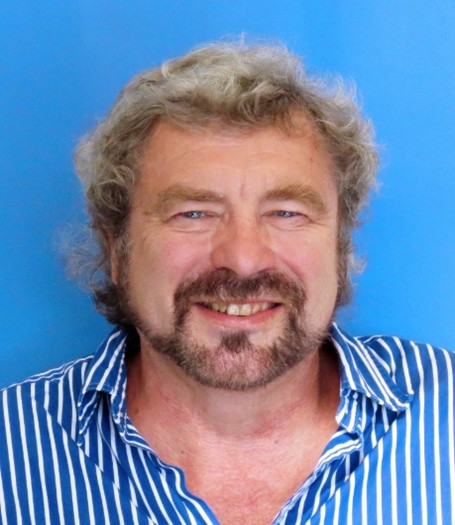
Terry Kenakin, PhD
University of North Carolina School of Medicine
Terry Kenakin received his BSc in chemistry and PhD in Pharmacology from the University of Alberta. After a post-doctoral fellowship at University College London, he joined Burroughs-Wellcome in Research Triangle Park, NC where he spent seven years in drug discovery. He then moved to GlaxoSmithKline for 25 years, followed by the University of North Carolina School of Medicine where he has been a Professor of Pharmacology since 2011. He has written 12 books on pharmacology, is the Editor-in-Chief of the Journal of Receptors and Signal Transduction, is on numerous editorial boards and has written many reviews and original papers on receptor pharmacology.
This course discusses biologics as dug entities and guides scientists to the most viable and potentially profitable ways selection processes forward. Kenakin brings 32 years of discovery experience: seven years at Burroughs-Wellcome ad 25 years at GlaxoSmithKline. He has also held many discovery program leadership roles including one resulting in the clinical HIV entry candidate aplaviroc to the clinic.