
February 7-11, 2026
Thomas Michael Menino Convention & Exhibition Center (MCEC)
Boston, MA, USA
February 7-11, 2026
Thomas Michael Menino Convention & Exhibition Center (MCEC)
Boston, MA, USA
To 3D or not to 3D – this is a question at the forefront for most people in discovery programs. With the passing of the FDA Modernization Act 2.0, there is a greater interest in the community around the use of physiologically relevant in vitro models as New Approach Methods (NAM) for the use of IND enabling submissions to the FDA.
This workshop is designed to help participants understand the nuts and bolts of setting up 3D physiologically relevant models will allow participants to understand not only the utility of these models in answering a specific biological question but also to understand the practical importance of the various stages of assay development, automation compatibility, high content imaging and data analysis. Without a robust, scalable and reproducibly functioning assay there is no actionable data. At the end of this workshop, participants should be able to leave with the confidence of understanding the importance of robust and scalable assay development for 3D models and how that will allow them to position and prioritize pre-clinical candidates in their discovery programs.
This course will provide educational information and practical techniques to move the valuable, more predictive 3D cell culture models from more manual research-based work to a more automated, mid-to high-throughput environment.
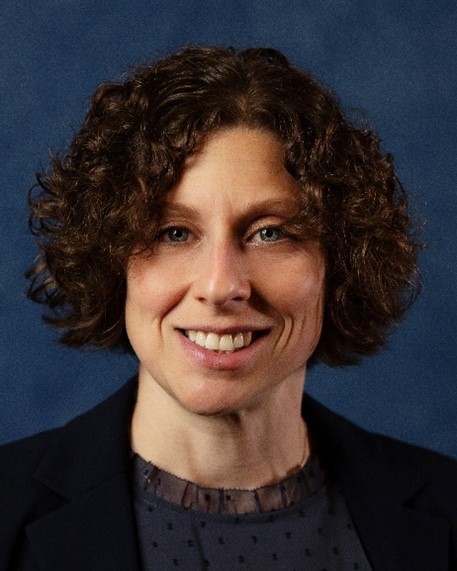
Hilary Sherman
Corning Life Sciences Applications Lab
Hilary Sherman is a Senior Scientist in the Corning Life Sciences Applications Lab located in Kennebunk, ME, USA. Sherman has been with Corning Incorporated since 2005 and has worked with a wide variety of cell types including mammalian, insect, primary, stem cells and organoids in a vast array of applications. Her key roles at Corning involve creating technical documents such as protocols and whitepapers as well as providing technical support and training for both the Corning sales force and customers. In the last several years, she has worked extensively with 3D cell culture applications including human organoid culture.
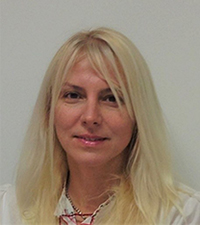
Oksana Sirenko, PhD
Molecular Devices
Oksana Sirenko, PhD, is an established cell biologist and imaging specialist who is an expert in developing assays with complex cell-based models for research and drug discovery. She is the Senor Manager of Assay Development at Molecular Devices where she works on development of high-content imaging methods to the analysis of novel cell systems. She currently leads a group of scientists developing methods and new tools for automation of 3D cell models – including organoids and organ-on chips – for modeling cancer, neurotoxicity and toxicology. Sirenko holds a PhD in Biochemistry/Biophysics, has over 15 years of industry experience and has authored more than 35 scientific papers.
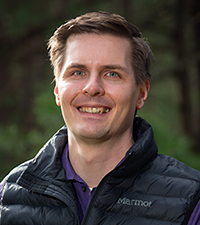
Dennis Plenker, PhD
Xilis Inc
Dennis Plenker, PhD is the Senior Director of Research & Innovation at Xilis Inc. He earned his PhD in Genetics at the Institute of Translational Genomics at the University of Cologne. Plenker is passionate about using ex vivo patient models for functional precision medicine, toxicology and to ultimately improve patient care and enable new biology. At Cold Spring Harbor Laboratory, he led the human 3D organoid platform, where he and his team established more than 100 organoids for the Human Cancer Model Initiative, contributing to a collection of more than 330 human organoids from various cancers, pre-cancerous lesions and normal tissue. His work included building and operating high-throughput screening platforms, developing optimized reagents for 3D cultures, and helping to initiate the PASS-01 clinical trial (NCT04469556) to evaluate the clinical feasibility of organoids. Since then, Plenker worked at the Organoid group at Loxo Oncology at Lilly before transitioning to Xilis in 2022. At Xilis, he drives technology development, diagnostics and the technical translation of patient-derived models using MicroOrganoSpheres (MOS?). His responsibilities include evaluating the feasibility of MOS? technology for partnerships, method optimization, diagnostic applications and assay development. Plenker is passionate about innovation and advancing the boundaries of science and technology. He is particularly enthusiastic about recent developments in the field, including the FDA's passage of the Modernization Act 2.0, which opens new possibilities for alternative testing methods in drug development.
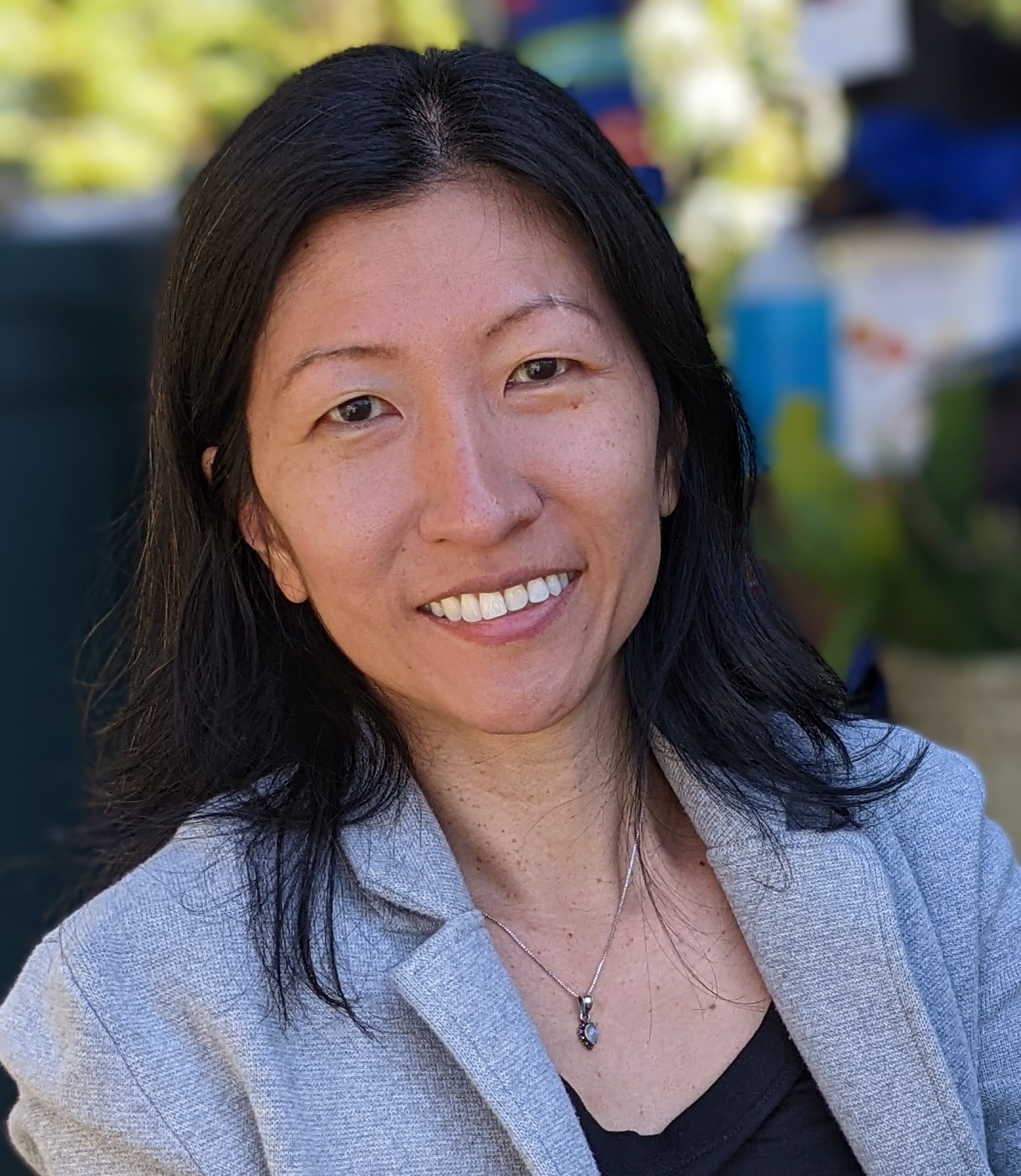
Angeline Lim, PhD
Molecular Devices
Angeline Lim, PhD, is a Product Manager for Imaging at Molecular Devices, leading product development for advanced bioimaging solutions. Prior to this role, Lim was a Senior Application Scientist, specializing in high-content imaging and AI-driven analysis with a focus on creating scalable, automated 3D biology workflows and integrating AI/ML approaches for complex phenotypic assays. She is a co-inventor on multiple patents in automated cell culture and laboratory automation and have authored publications on advanced imaging workflows. Beyond product leadership, Lim serves on the SBI² board. With over 10 years of research experience, she holds a PhD in Molecular, Cell and Developmental Biology from the University of California, Santa Cruz.
Tim Spicer, PhD
The Wertheim UF Scripps Institute
Timothy P. Spicer, PhD, is a Professor and Senior Scientific Director in the Department of Molecular Medicine at The Wertheim UF Scripps Institute. He joined Scripps Research in Florida in 2005 which is now part of the University of Florida since April 2022. Spicer has more than 35 years of experience in drug discovery, including 10 years at Bristol-Myers Squibb. He is currently the director of HTS and discovery biology and co-directs the screening center at UF Scripps and is part of the UF Health Cancer Center executive leadership team where he co-leads the Cancer Targeting and Therapeutics Program. He is also on their Translational Research Council where he supervises HTS assay development & related efforts including 3D biology and technology development. Spicer serves on multiple boards including the Florida Center for Brain Tumor Research, Araceli Biosciences, ChemoSen3D, Ion Biosciences, as well as ViQi AI. He is a past President of the Society of Lab Automation and Screening (SLAS) and is the Associate Editor of SLAS Discovery. He has authored >160 drug-discovery related publications, 10 patents and has helped discover drugs that are now in man (ZEPOSIA and RUKOBIA).